KYIV, April 11 (Alliance News): A temporary ceasefire between Russia and Ukraine came into effect on Saturday, with Kyiv warning it would respond “immediately” to any violations.
Russian President Vladimir Putin ordered the truce to coincide with Orthodox Easter, more than a week after Ukrainian President Volodymyr Zelensky proposed a ceasefire.
According to the Kremlin, the truce will last for 32 hours, starting from 4:00 pm Saturday until the end of Sunday.
President Zelensky said Ukraine would honour the ceasefire, stating that any Russian halt in attacks across air, land, and sea would be met with restraint from Kyiv.
However, Ukrainian forces remain on high alert, ready to respond instantly if the ceasefire is breached.
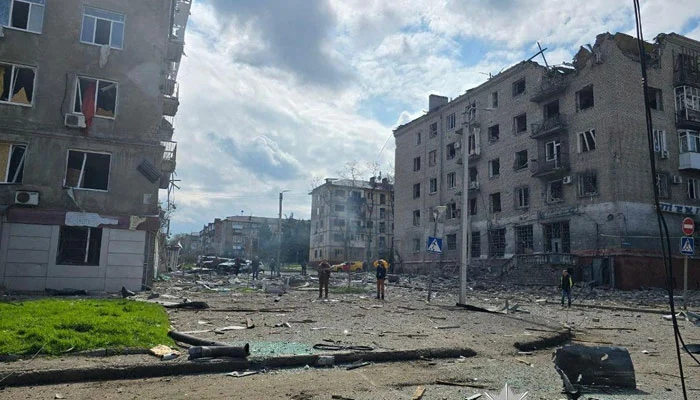
Just hours before the truce began, Russia launched around 160 drones targeting Ukrainian territory, killing at least four people and injuring dozens.
The southern Odesa region was among the worst affected, with civilian infrastructure damaged.
Meanwhile, Ukrainian drone strikes triggered a fire at an oil depot and damaged residential buildings in Russia’s Krasnodar region. Russian-installed officials also reported casualties in occupied parts of Donetsk and Kherson.
Public scepticism remains high, as a similar Easter ceasefire last year saw both sides accuse each other of repeated violations.
Despite ongoing tensions, both countries carried out a prisoner exchange involving 175 prisoners each, mediated by the United Arab Emirates.
Efforts to reach a broader peace agreement have stalled. Talks led by the United States have made little progress, partly due to shifting geopolitical priorities and disagreements over territorial control.
Ukraine has proposed freezing the conflict along current front lines, but Russia has rejected the idea, demanding full control over contested areas, particularly in the eastern regions. Kremlin spokesman Dmitry Peskov said the ceasefire was not linked to any ongoing negotiations.
Now in its fourth year, the war has claimed hundreds of thousands of lives and displaced millions, making it the deadliest conflict in Europe since World War II.
While front-line fighting has slowed, Russia continues to hold around 19 percent of Ukrainian territory.
Ukrainian forces have recently made limited gains in the southeast, but analysts say the situation remains challenging, particularly in the eastern regions.