PARIS, Jan 31 (Alliance News): Iran has issued stark warnings that it would instantly respond with decisive military action against US bases and aircraft carriers in the Middle East if Washington initiates a strike, in a dramatic escalation of tensions following threatened pressure by the United States and the European Union’s designation of the Islamic Revolutionary Guard Corps (IRGC) as a terrorist organisation.
The warning from Tehran came after US President Donald Trump said time was “running out” for Iran to reach a deal on its nuclear and defence programmes while an expanded US naval force enters regional waters.
As Washington and Brussels amplified their rhetoric, United Nations Secretary‑General Antonio Guterres called for renewed nuclear negotiations to prevent a crisis with potentially “devastating consequences” for the region.
An Iranian military spokesman stressed that any retaliation to US action would differ sharply from previous limited responses, such as the brief 2025 engagement with US and Israeli forces.
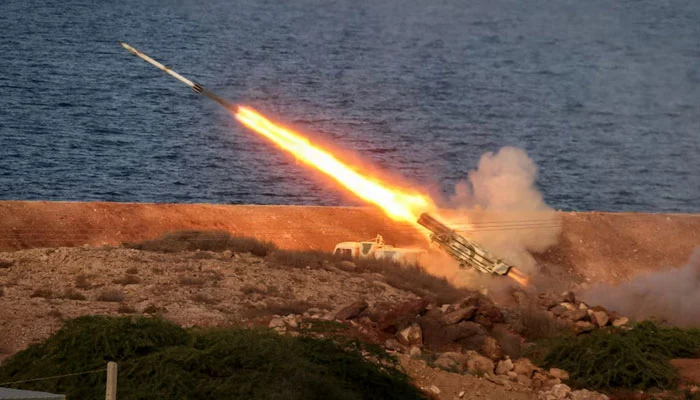
He told state television that multiple American bases in the Gulf and US aircraft carriers fall within the range of Iran’s medium‑range missiles and that a miscalculation by Washington could have severe repercussions.
The Iranian warnings have sent shockwaves through the Gulf, where US military installations host forces from several allied nations.
A regional official, speaking on condition of anonymity, said fears of a US strike against Iran were “very clear” and warned that military conflict could trigger widespread instability, disrupt global energy markets, and drive up oil and gas prices.
The EU’s decision to blacklist the IRGC over its role in quelling large‑scale protests inside Iran has added diplomatic strain.
Iranian officials condemned the move as irresponsible and aligned with the interests of Tehran’s adversaries.
Tehran even hinted at reciprocal measures, signalling plans to designate armed forces of EU nations that supported the listing as terrorists—a move that would further escalate tensions.
Amid rising tensions, Qatar’s leader Sheikh Tamim bin Hamad Al Thani and Iranian President Masoud Pezeshkian spoke by phone about efforts to de‑escalate and stabilize the situation, according to the Qatar News Agency.
Regional leaders have grown increasingly concerned that direct confrontation between Washington and Tehran could ignite broader conflict across the Gulf.
Iranian authorities also continue to grapple with internal unrest.
The government acknowledges thousands died during recent protests but attributes most casualties to security forces or bystanders affected by violent confrontations with “rioters,” a claim disputed by rights groups.
Tehran has accused both the United States and Israel of instigating unrest, calling the protests part of a broader “terrorist operation.”
The crisis reflects a complex geopolitical standoff, with the United States deploying significant naval assets as leverage while insisting that Iran curb its disputed nuclear activities.
Tehran, for its part, maintains that its defensive and missile capabilities are non‑negotiable and has pledged a forceful response to any attack.
Diplomatic efforts continue, but the risk of miscalculation and escalation looms large over the Middle East.