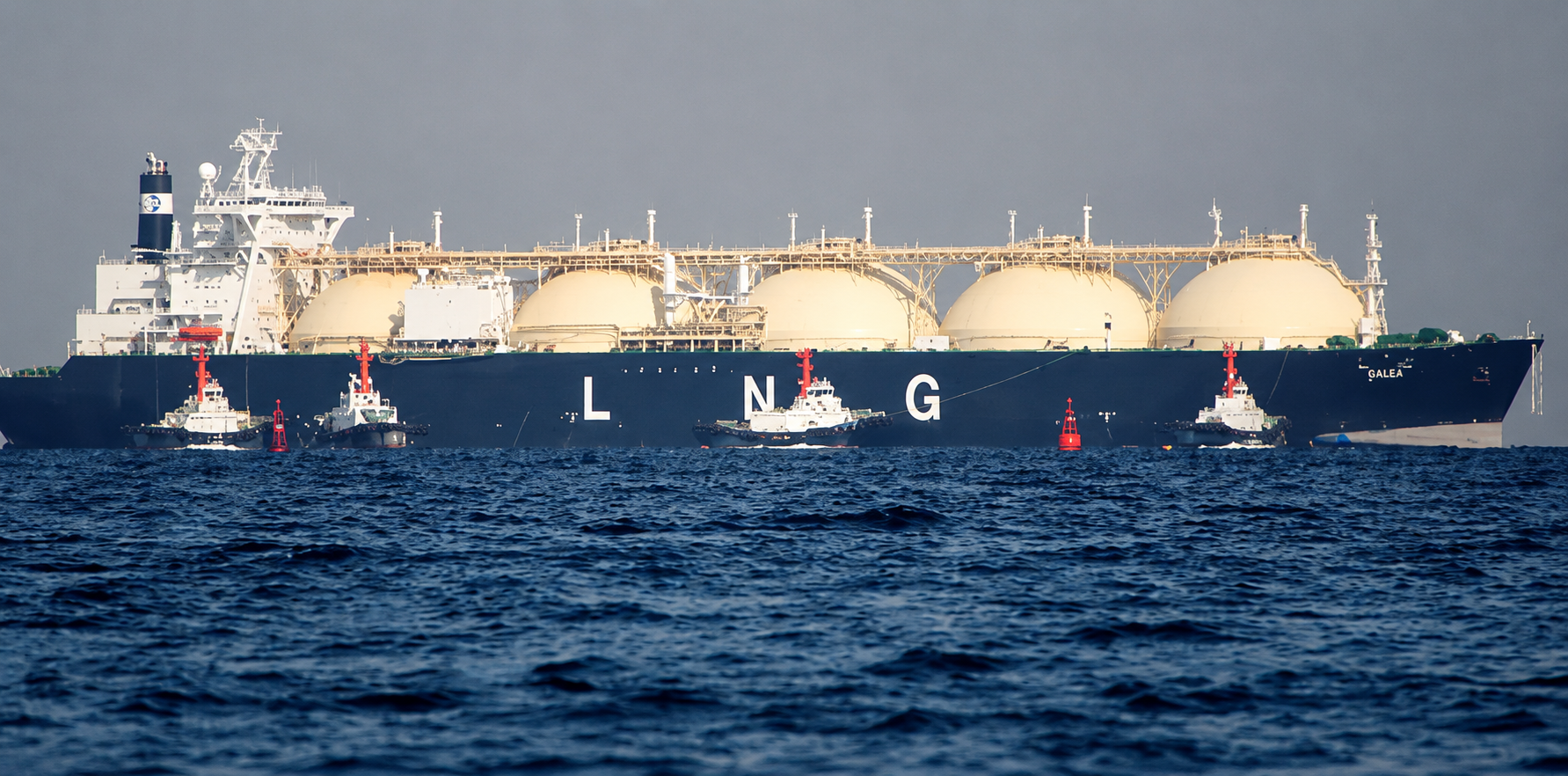
TOKYO (Alliance News, July 31): A prolonged conflict involving Iran could continue to tighten global liquefied natural gas (LNG) supplies and keep spot market prices elevated, a senior executive of Tokyo Gas said on Thursday.
Speaking to reporters, Go Soga, Executive Officer at Tokyo Gas, said the ongoing regional conflict has significantly reduced the availability of spot LNG cargoes, creating sustained upward pressure on prices if hostilities continue.
Tokyo Gas, Japan’s largest city gas supplier, said it plans to optimize supply and demand through its global LNG trading network as it seeks to make energy trading a key pillar of future growth.
The company aims to increase its annual LNG trading volume to 5 million metric tons by 2030. It currently operates its LNG trading business from Singapore, supported by offices in London and Tokyo.
According to Soga, Tokyo Gas traded LNG in the high 4-million-metric-ton range during the fiscal year ending March 2025 and expects further growth as global demand for flexible LNG supplies increases.
Despite expanding its trading operations, Tokyo Gas reported weaker first-quarter financial results, with net profit for the April-June quarter declining 65 percent compared to the same period last year. The decline was primarily attributed to the absence of one-time gains recorded a year earlier.
However, the company’s revenue received support from stronger natural gas prices in its U.S. shale gas business.
Atsushi Torii, General Manager of the Accounting Department, said earnings from the company’s U.S. operations reflected higher Henry Hub natural gas prices during the January-March period, which averaged around $5 per million British thermal units (MMBtu) compared with $3.60 per MMBtu a year earlier.
He added that Tokyo Gas hedges approximately 75 percent of its gas price exposure, while the remaining unhedged portion benefited from higher market prices and contributed to improved profitability.
Energy analysts say geopolitical tensions in the Middle East continue to pose risks to global LNG markets, particularly for Asian importers that rely heavily on spot cargoes to meet seasonal demand.