MADRID, July 23 (Alliance News): Spain and France continued battling devastating wildfires on Wednesday as extreme heat and prolonged drought fuelled fresh blazes across Southern Europe, with authorities warning that the risk of more fires remains extremely high.
According to international media reports, Spain’s largest wildfire of the year has scorched nearly 32,000 hectares in the central Guadalajara region. Although firefighters have begun containing the blaze, several evacuation orders remain in place, while residents of five villages have been allowed to return home.
Spanish Prime Minister Pedro Sánchez, during a visit to the affected area, said the country had already experienced 22 major wildfires this year, with more than 100,000 hectares of land destroyed before the peak fire season.
Spain’s national weather agency (AEMET) warned that wildfire danger remained “very high to extreme” across most of the mainland and the Balearic Islands due to soaring temperatures, dry thunderstorms and Saharan dust. Temperatures are expected to reach 42°C to 44°C in parts of the Mediterranean region before easing later this week.
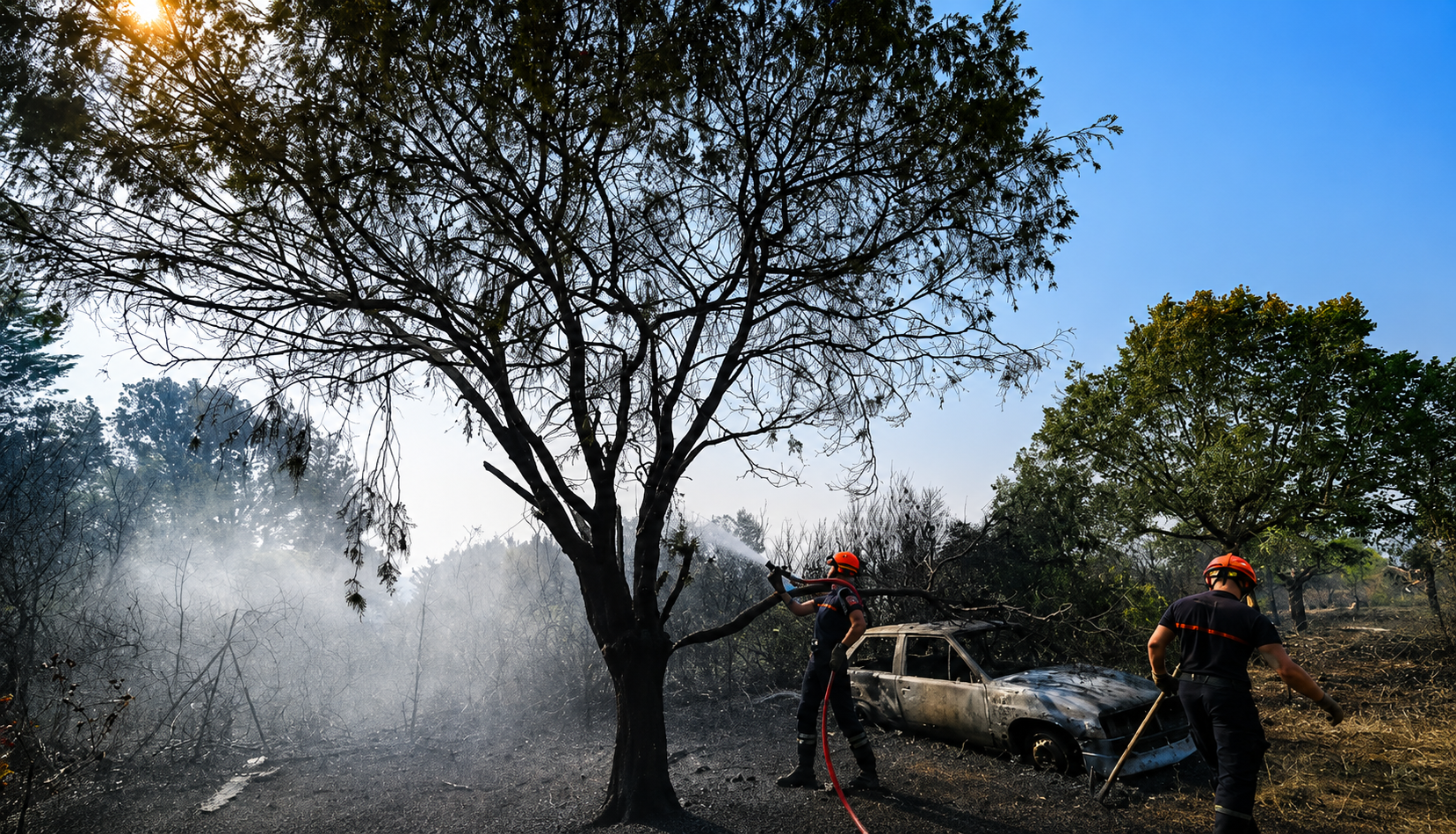
In neighbouring France, firefighters are battling multiple wildfires, including major blazes in the Gironde and Var regions. Authorities evacuated around 600 residents near the village of Saumos after a wildfire spread rapidly between Bordeaux and Cap Ferret.
French officials also paid tribute to two firefighters who lost their lives while battling a wildfire in Gironde after their vehicle was engulfed in flames.
Interior Minister Laurent Nunez said approximately 44,000 hectares have already burned across France this year, well above the seasonal average.
Authorities have imposed strict restrictions, including banning forestry work and activities involving combustion engines in high-risk areas, while urging the public to avoid barbecues and other activities that could trigger fires. Officials noted that nearly 90% of wildfires are caused by human activity.
Scientists say climate change is increasing the frequency and intensity of heatwaves, droughts and wildfires across Europe, while also contributing to severe weather events.
Elsewhere in Southern Europe, Greece and Cyprus imposed restrictions on outdoor work during peak afternoon temperatures, while severe storms and hail caused injuries, power outages and infrastructure damage in North Macedonia and Kosovo.
Meteorologists warned that although temperatures may briefly decline later this week, another spell of extreme heat is expected across parts of Southern Europe in the coming days, maintaining a high risk of additional wildfires.